




Keratoconus is a progressive condition that causes the cornea to thin and bulge outward, leading to distorted vision. Without intervention, this condition can worsen over time, making everyday activities such as reading and driving more difficult. Corneal crosslinking is an advanced treatment that strengthens the corneal structure, helping to stabilize vision and slow the progression of keratoconus.
At Schwartz Laser Eye Center, corneal crosslinking is performed by Dr. Jay Schwartz and the skilled ophthalmologists and optometrists on our team. As a recognized leader in vision correction, our practice provides this highly effective treatment for patients in Scottsdale, Glendale, and Mesa who are seeking a solution for keratoconus.
Benefits of Corneal Crosslinking
 Corneal crosslinking is a specialized procedure designed to reinforce the cornea by increasing collagen connections within the tissue. This results in:
- Improved corneal stability
- Reduced risk of further vision deterioration
- The potential to enhance tolerance for contact lenses
By strengthening the cornea, corneal crosslinking provides a proactive approach to managing keratoconus. While it cannot reverse the effects of keratoconus, it can
Who Is a Candidate for Corneal Crosslinking?
Corneal crosslinking may be an appropriate treatment for individuals who have been diagnosed with progressive keratoconus or corneal ectasia following refractive surgery. Candidates typically:
- Have a confirmed diagnosis of keratoconus with evidence of progression
- Are in the early to moderate stages of the condition
- Have sufficient corneal thickness for treatment
A comprehensive evaluation at Schwartz Laser Eye Center will determine whether corneal crosslinking is the right approach.
How Corneal Crosslinking Works
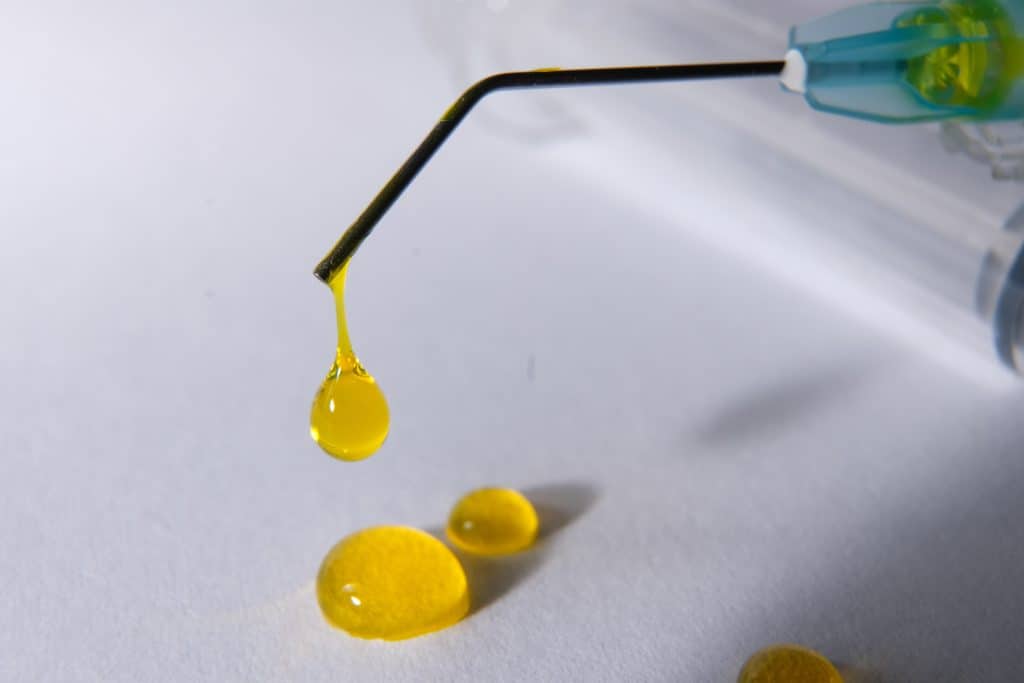 Corneal crosslinking is performed as an in-office procedure designed to reinforce the cornea. The process involves the application of riboflavin (vitamin B2) drops to the corneal surface, followed by controlled exposure to ultraviolet (UV) light. This interaction promotes collagen formation, helping to strengthen and stabilize the corneal structure.
There are two primary approaches:
- Epi-off corneal crosslinking – This technique involves removing the outer corneal layer (epithelium) to allow for deeper riboflavin absorption before UV light activation.
- Epi-on corneal crosslinking – This method keeps the epithelium intact, which may contribute to a shorter healing period.
The best approach for each patient is determined based on their corneal condition and individual needs.
Recovery and Results
 Following the procedure, you will receive detailed post-treatment guidance from your Schwartz Laser Eye Center provider. A soft contact lens may be placed over the eye as part of the healing process. You are also provided with specific instructions on eye drops to support healing and promote corneal strength.
While corneal crosslinking is designed to stabilize the cornea, visual improvements may develop gradually over time.
Why Choose Schwartz Laser Eye Center?
At Schwartz Laser Eye Center, Dr. Jay Schwartz and our team of experienced ophthalmologists and optometrists are dedicated to providing the latest advancements in vision care. Our practice has successfully treated patients with keratoconus in Scottsdale, Glendale, and Mesa by performing corneal crosslinking procedures for patients. We prioritize patient-focused care with personalized evaluations and advanced diagnostic technology to ensure optimal outcomes.
Schedule a Consultation
If you have been diagnosed with keratoconus and want to explore corneal crosslinking as a treatment option, schedule an evaluation with Schwartz Laser Eye Center today. Call (480) 483-3937 today to being your vision-saving care.
